
Introduction
South Africa’s ongoing energy crisis, exacerbated by frequent and unpredictable load shedding, has made energy security a top priority for businesses across the country. As companies seek reliable power solutions to mitigate disruptions, energy storage has emerged as a crucial component of their strategies.
One of the key drivers behind this shift is the falling cost of lithium-ion batteries, making storage solutions more accessible and cost-effective. Businesses and industries are increasingly adopting battery storage systems to maintain operations, reduce dependency on the national grid, and optimize renewable energy sources like solar power.
This article explores the vital role of battery storage in ensuring energy security, the different types of storage technologies available, and how businesses can integrate them effectively. We’ll also look at large-scale storage projects, government policies, and why now is the time for South African businesses to invest in energy independence.
”For years, load shedding has hampered economic growth, productivity, and business continuity in South Africa.
Why Energy Storage is Vital: Overcoming Load Shedding and Grid Instability
For years, load shedding has hampered economic growth, productivity, and business continuity in South Africa. With Eskom’s aging infrastructure struggling to meet demand, grid instability has become a persistent issue, leaving businesses in the dark—sometimes for hours at a time.
Battery storage is the solution that can bridge this energy gap. By storing excess power during off-peak times or when renewable sources generate surplus energy, businesses can draw from stored electricity when the grid fails. This ensures uninterrupted operations, minimizes downtime, and protects revenue streams.
Moreover, battery storage provides a buffer against fluctuating energy prices. As South Africa moves towards more private-sector-driven energy production, having a reliable storage solution allows businesses to control their energy costs and consumption patterns more effectively.
Types of Battery Storage Technologies
When considering energy storage solutions, it’s essential to understand the available technologies. One of the most prominent battery storage options today are Lithium-ion batteries. These are currently the most popular choice for businesses and residential users due to their high energy density, efficiency, and declining costs. Lithium-ion batteries offer fast charging and discharging capabilities, making them ideal for backing up critical operations during load shedding. However, they have a limited lifespan and can degrade over time with frequent cycling.
Choosing the right battery technology depends on a company’s energy needs, budget, and long-term sustainability goals. Many businesses are now opting for hybrid systems that combine different storage technologies to maximize efficiency and reliability.
Commercial & Industrial (C&I) Storage: How Businesses Are Integrating Batteries with Solar PV
For commercial and industrial sectors, the integration of battery storage with solar photovoltaic (PV) systems has proven to be a game-changer. Companies are increasingly installing solar panels to generate their own electricity, and by pairing them with battery storage, they can optimize self-consumption and reduce dependence on the national grid.
The benefits of C&I battery storage include:
– Energy Cost Savings: By using stored solar energy during peak hours, businesses can avoid expensive peak tariffs.
– Increased Reliability: Backup power ensures operations continue smoothly during load shedding.
– Sustainability and Carbon Reduction: Lower reliance on fossil fuels reduces a company’s carbon footprint and enhances its corporate social responsibility efforts.
Industries such as manufacturing, retail, hospitality, and agriculture are among those leading the adoption of battery storage, recognizing its potential to safeguard operations and drive long-term savings.
The Role of Independent Power Producers (IPPs): Large-Scale Storage Projects in Development
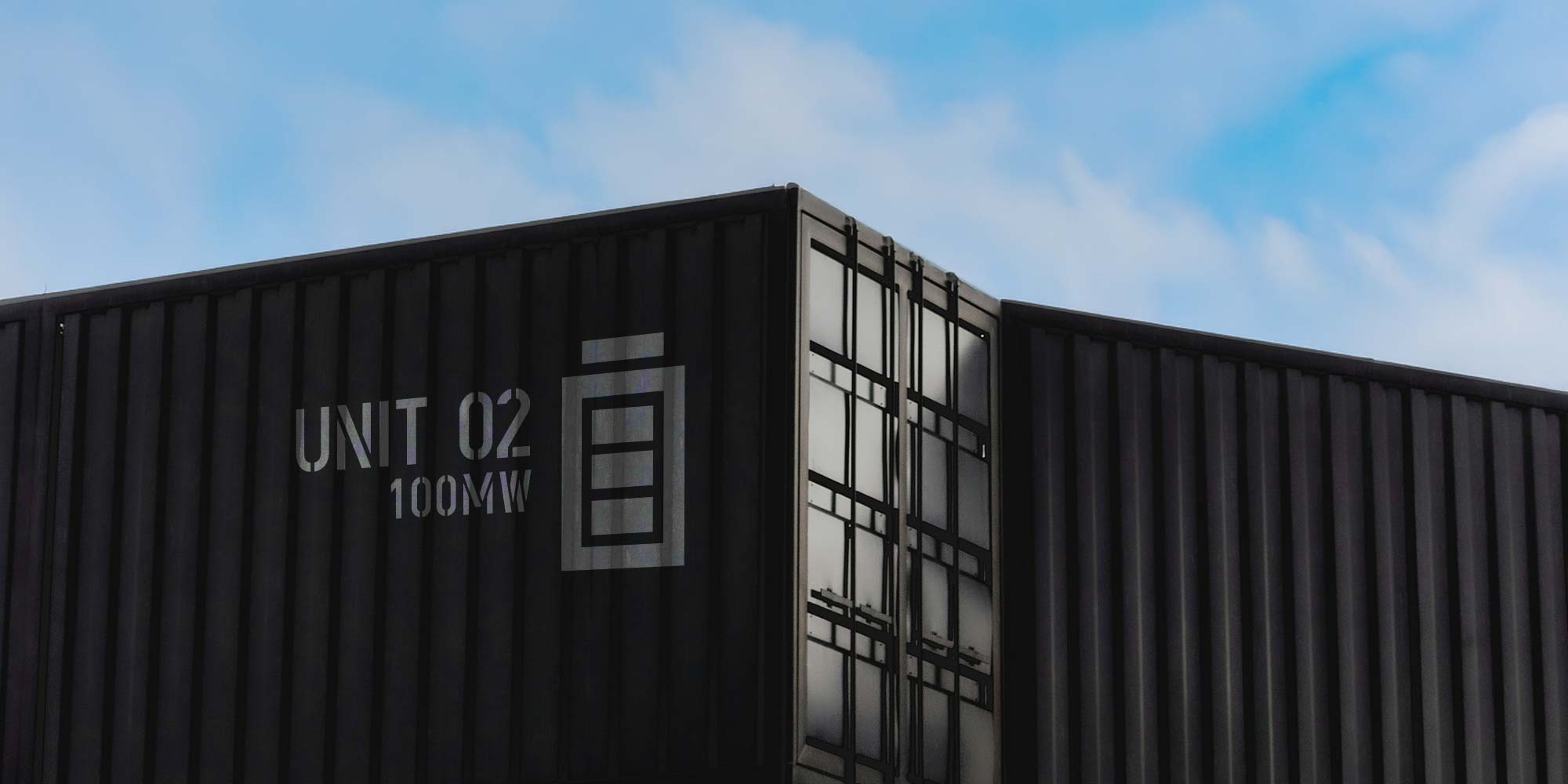
Independent Power Producers (IPPs) are playing a crucial role in South Africa’s energy transition by developing large-scale battery storage projects. These projects are designed to support the national grid, stabilize energy supply, and provide backup power during peak demand periods.
The recent inclusion of battery storage in South Africa’s Renewable Energy Independent Power Producer Procurement Programme (REIPPPP) has paved the way for major investments in utility-scale storage. These large battery installations will help smooth out fluctuations in renewable energy production, ensuring more consistent power availability even when the sun isn’t shining or the wind isn’t blowing.
As more IPP-led projects come online, businesses will have greater opportunities to tap into reliable, off-grid power solutions that reduce dependence on Eskom’s failing infrastructure.
Government Policies and Incentives: South Africa’s Evolving Regulatory Landscape
The South African government has recognized the critical need for energy storage and has begun rolling out policies and incentives to accelerate adoption.
Key developments include:
– Tax Incentives for Renewable Energy and Storage: Businesses can now claim tax benefits for investing in battery storage and solar PV systems.
– Increased Licensing Exemptions: Companies generating up to 100MW of power for self-use no longer require a license, simplifying the process for businesses looking to install storage solutions.
– Municipal Energy Reforms: Some municipalities are allowing businesses to sell excess stored power back to the grid, creating additional revenue opportunities.
While more work needs to be done to streamline regulations and encourage greater investment, these policy changes signal a positive shift towards a more sustainable and resilient energy future for South Africa.
Conclusion: The Time to Invest in Energy Storage is Now
Energy storage is no longer a luxury—it’s a necessity. As South Africa grapples with ongoing power challenges, businesses that invest in battery storage can secure their operations, reduce costs, and contribute to the country’s broader renewable energy goals.
With the cost of storage solutions decreasing and government support increasing, now is the perfect time for businesses to take control of their energy future. Whether you’re looking to integrate storage with solar PV, explore large-scale battery options, or simply ensure uninterrupted power supply, investing in energy storage is the key to long-term sustainability and success.
Take Action Today
Want to learn how your business can benefit from battery storage? Get in touch with Hammer and Anvil Energy to explore customised energy storage solutions tailored to your needs.
Email us at sales@hammerandanvil.co.za and take the first step towards energy independence!