
Introduction
South Africa is at a pivotal moment in its energy transition. As the country moves away from its long-standing dependence on coal, the shift towards renewable energy sources is not only a necessity but an opportunity for businesses, investors, and communities alike. With increasing investment in solar photovoltaic (PV) technology, wind power, and energy storage, the landscape of the energy sector is rapidly evolving.
This transformation is being driven by a combination of government policies, technological advancements, and growing private-sector participation. In this article, we explore the key trends shaping South Africa’s renewable energy future and the business opportunities that arise from this transition.
Key Trends in Renewable Energy
1. Government Policies and the REIPPPP
One of the biggest catalysts for renewable energy adoption in South Africa has been the Renewable Energy Independent Power Producer Procurement Programme (REIPPPP). This initiative was introduced to attract private investment into the sector and reduce the country’s reliance on coal-fired power. Through REIPPPP, the government has awarded numerous contracts to independent power producers (IPPs), fostering competition and bringing down renewable energy costs.
As more bid windows are announced, businesses and investors have increasing opportunities to participate in large-scale renewable energy projects. The regulatory environment is also evolving, allowing for more flexibility in private-sector participation, particularly in self-generation and direct power purchase agreements (PPAs).
2. Declining Costs of Solar PV
The cost of solar PV technology has decreased significantly over the past decade, making it one of the most competitive energy sources available. Advances in panel efficiency, improved manufacturing techniques, and economies of scale have driven prices down, enabling businesses to invest in solar solutions without breaking the bank.
For commercial and industrial (C&I) consumers, this means that investing in solar power is now a cost effective way to reduce electricity expenses, improve sustainability, and hedge against rising Eskom tariffs. With continued innovation, solar PV will remain a key player in South Africa’s renewable energy mix.
3. Growth in Energy Storage
One of the main challenges of renewable energy has been intermittency – the fact that solar power is only generated during daylight hours and wind power depends on weather conditions. However, the rapid advancement of battery storage solutions is changing the game as we’ve known it.
Lithium-ion and other energy storage technologies are becoming more affordable and accessible, allowing businesses and municipalities to store excess solar power for use during peak demand times or at night. This improves grid reliability and enables greater energy independence, reducing the need to rely on Eskom’s unstable supply.
4. The Private Sector and Corporate PPA Boom
Businesses across South Africa are increasingly turning to private power purchase agreements (PPAs) to secure reliable and cost-effective electricity. This trend is being driven by rising electricity costs, frequent load shedding, and a push towards sustainability from both consumers and regulatory bodies.
Corporate PPAs allow businesses to purchase power directly from renewable energy providers, ensuring stable pricing and improved energy security. Major corporations, shopping centres, and industrial parks are embracing this model to lock in long-term savings and achieve environmental, social, and governance (ESG) goals.
5. Decentralisation of Energy Supply
The traditional model of a centralised power grid dominated by a state utility is being challenged by the rise of micro-grids and independent power producers (IPPs). These decentralised energy solutions offer resilience and flexibility, particularly for businesses, municipalities, and remote communities.
Micro-grids, powered by a combination of solar, wind, and battery storage, can operate independently or in conjunction with the national grid. This reduces dependency on Eskom, mitigates the impact of load shedding, and allows businesses to take control of their own energy generation and consumption.
”With these transformative trends shaping the market, businesses and investors have a unique opportunity to capitalise on South Africa’s renewable energy boom.
Opportunities for Businesses and Investors
1. Growth in Commercial & Industrial (C&I) Solar Projects
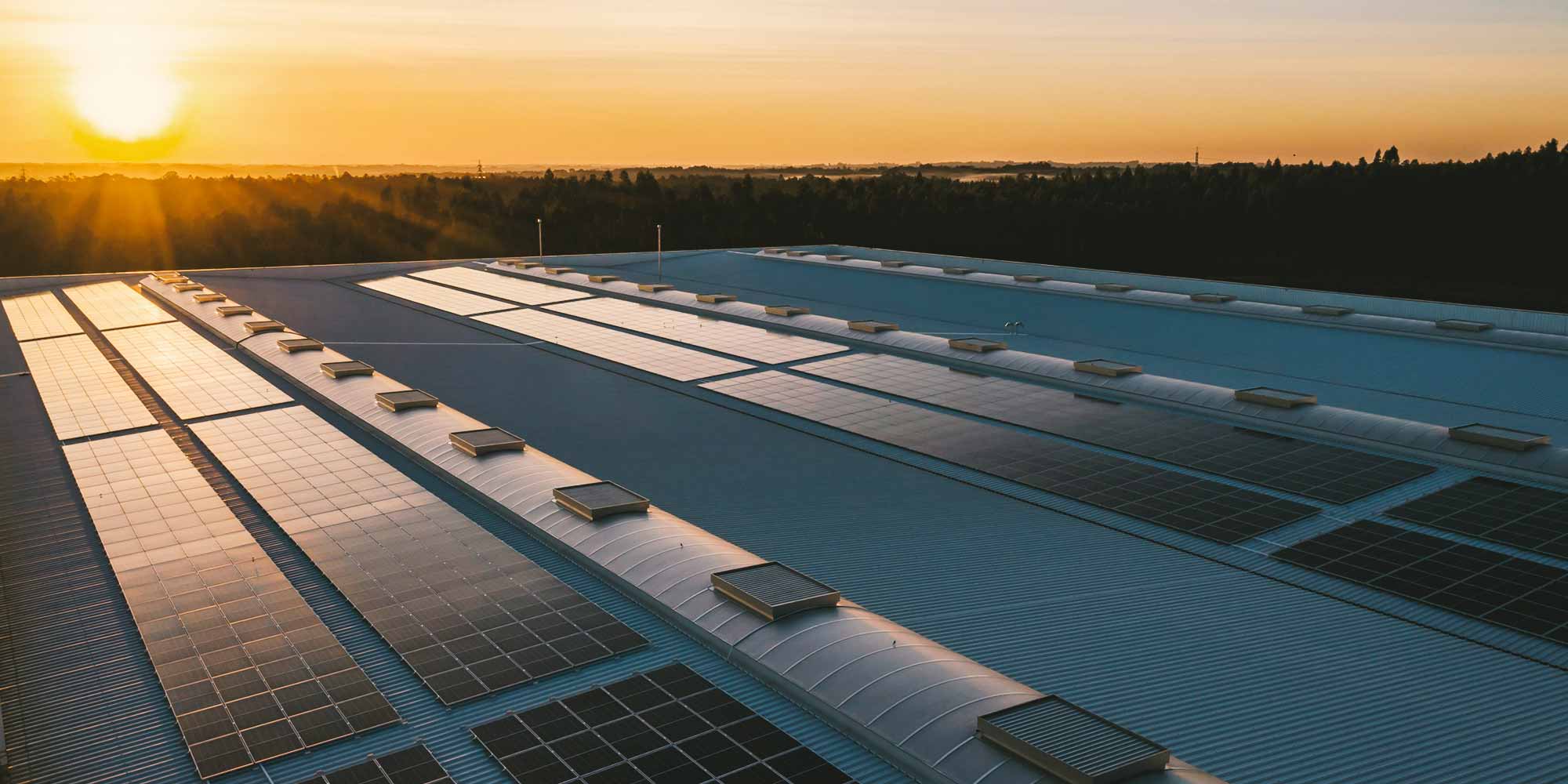
C&I solar projects are one of the fastest-growing segments of the renewable energy market. Businesses with high energy consumption, such as manufacturing plants, mining operations, and commercial properties, can significantly cut costs by installing rooftop or ground-mounted solar systems.
Companies investing in solar solutions not only reduce their reliance on Eskom but also benefit from tax incentives such as Section 12B accelerated depreciation, which allows for rapid write-offs of renewable energy investments.
2. Rising Demand for Energy Storage Solutions
The need for battery storage is surging, providing a lucrative opportunity for investors and energy solution providers. Businesses are increasingly looking for backup power solutions to shield themselves from the effects of load shedding, making energy storage an essential component of any renewable energy strategy.
Developers who can provide integrated solutions combining solar PV with battery storage will be well-positioned to meet market demand and offer competitive energy resilience solutions.
3. Public-Private Partnerships in Renewable Energy Infrastructure
Government partnerships with private companies are playing a crucial role in expanding South Africa’s renewable energy infrastructure. These collaborations present a chance for investors to participate in large-scale projects, such as solar farms, wind parks, and grid upgrades.
Municipalities are increasingly exploring options to procure their own power supply instead of relying solely on Eskom. This presents opportunities for businesses to partner with local governments and utilities to develop customised energy solutions.
Conclusion
South Africa’s renewable energy transition is no longer a distant vision—it is happening now, creating exciting opportunities for businesses, investors, and communities. The decline in solar PV costs, rapid advancements in battery storage, and the rise of decentralised energy solutions are transforming the market.
Companies like Hammer & Anvil Energy are at the forefront of this revolution, helping businesses transition to sustainable energy solutions tailored to their unique needs. Whether you’re looking to invest in solar power, energy storage, or private PPAs, there has never been a better time to explore renewable energy solutions.
Get in touch with Hammer & Anvil Energy at sales@hammerandanvil.co.za to discover how we can help your business make the most of these trends and opportunities.