
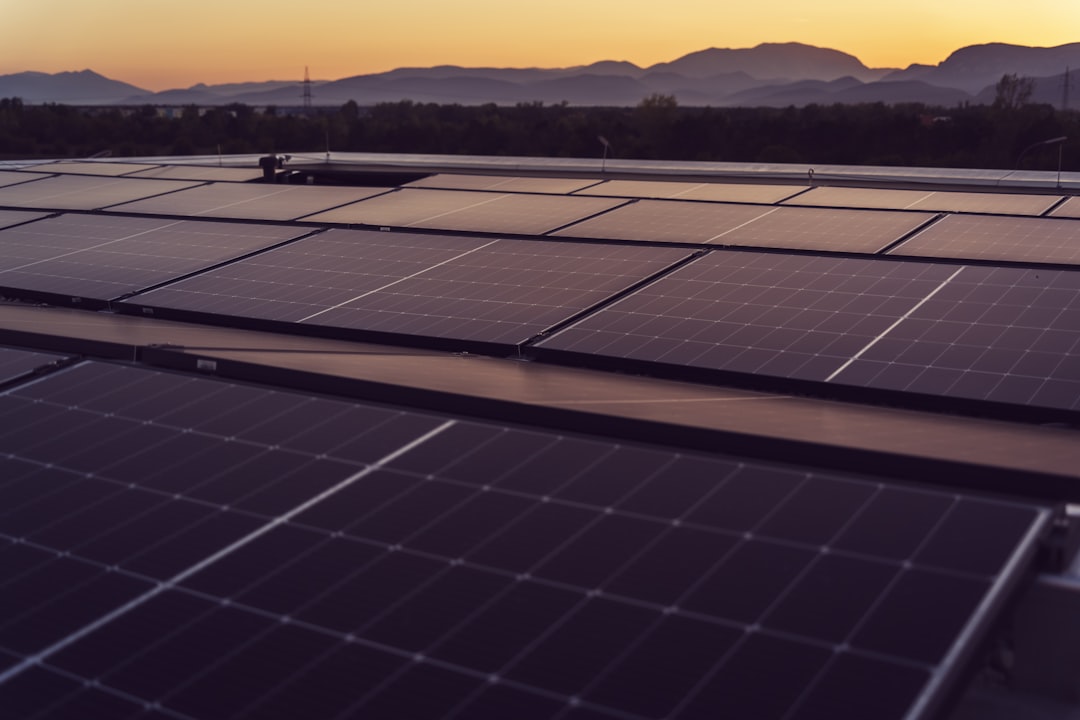
As South Africa embraces the shift towards renewable energy, facilities managers in the commercial and industrial sectors are uniquely positioned to lead their organizations toward significant solar cost savings. The potential for commercial solar ROI is vast, with the added benefits of industrial solar payback incentives like the Section 12B solar tax, which can dramatically enhance financial returns. However, the path to a successful solar installation is paved with considerations unique to operational facilities, from non-disruptive solar integration to comprehensive solar performance monitoring. In this guide, we delve into strategic approaches for seamless rooftop solar installations in commercial buildings, ensuring that projects are both efficient and effective. Discover how partnering with experts like Hammer & Anvil Energy can transform underperforming solar systems into high-performing assets, optimizing solar savings for commercial properties through expert solar project management and maintenance.
Understanding Solar ROI
Understanding the return on investment (ROI) for solar energy is crucial for facilities managers considering this renewable energy option. This section explores commercial and industrial solar ROI, as well as the significant tax incentives available in South Africa.
Commercial Solar ROI Insights
Commercial Solar ROI refers to the financial benefits a business can expect from investing in solar energy systems. It’s calculated by comparing the initial investment costs against long-term energy savings and potential revenue generation.
Key factors influencing commercial solar ROI include:
- System size and efficiency
- Local electricity rates
- Available sunlight hours
- Installation and maintenance costs
In South Africa, businesses can typically expect ROI periods ranging from 3 to 7 years, depending on these factors. After this period, the energy savings translate directly into increased profitability.
A medium-sized building in Johannesburg might expect an:
- Initial investment: R1.5 million
- 30% reduction in annual electricity costs
- ROI period: 5 years
- 20-year savings projection: R5 million
- Enhanced green building certification
Industrial Solar Payback Techniques
Industrial solar payback refers to strategies that accelerate the time it takes for energy savings to offset the initial solar investment. These techniques are particularly relevant for energy-intensive industries in South Africa.
- Peak Shaving: Using solar power during high-demand periods to reduce costly peak-time electricity consumption.
- Load Shifting: Adjusting energy-intensive processes to coincide with peak solar production hours.
- Energy Storage Integration: Implementing battery systems to store excess solar energy for use during non-sunlight hours.
Industrial facilities can often achieve faster payback due to their high energy consumption. Case studies show payback periods as short as 2-4 years for well-planned industrial solar projects in South Africa.
Additionally, industrial facilities can explore power purchase agreements (PPAs) to further optimise their solar investment, allowing for solar benefits without upfront capital costs.
Section 12B Tax Incentives
Section 12B of the South African Income Tax Act provides significant tax benefits for businesses investing in renewable energy, including solar power systems. This incentive dramatically improves the ROI for solar projects.
Key features of Section 12B:
- 100% accelerated depreciation in the first year
- Applicable to both rooftop and ground-mounted systems
For example, a company investing R5 million in a solar system could potentially reduce their taxable income by R5 million in the year of installation, resulting in substantial tax savings.
“Section 12B has been a game-changer for many of our clients, often tipping the scales in favour of solar adoption,” notes a leading South African solar consultant.
Facilities managers should work closely with financial advisors to fully leverage this benefit, as it can substantially reduce the effective cost of solar installations and accelerate ROI timelines.
Implementing Solar Solutions
Implementing solar solutions in existing facilities requires careful planning and execution. This section covers non-disruptive installation methods, the benefits of rooftop solar, and strategies for integrating solar in operational facilities.
Non-Disruptive Installation Methods
Non-disruptive installation methods are crucial for minimizing impact on daily operations when implementing solar solutions. These techniques ensure business continuity while solar systems are being installed.
Key strategies include:
- Off-Hours Installation: Conducting major work during weekends or off-peak hours to minimize disruption to normal operations.
- Phased Implementation: Breaking the project into stages, allowing for partial operation of facilities during installation.
- Temporary Power Solutions: Utilizing mobile generators or temporary power connections to maintain critical operations during switchovers.
A case study of a retail center in Cape Town demonstrated the effectiveness of these methods:
- Installation completed over 6 weekends
- No disruption to trading hours
- Phased approach allowed for testing and gradual integration
Rooftop Solar Benefits
Rooftop solar installations offer numerous advantages for commercial and industrial buildings in South Africa. They maximize the use of existing space without requiring additional land acquisition.
Benefits include:
- Energy Independence: Reduced reliance on the national grid
- Cost Savings: Lower electricity bills and protection against rising energy costs
- Environmental Impact: Reduced carbon footprint and improved sustainability credentials
Additionally, rooftop solar can improve building insulation, potentially reducing heating and cooling costs.
Solar in Operational Facilities
Integrating solar power into operational facilities presents unique challenges but offers immediate benefits. The key is to balance installation activities with ongoing operations to minimise disruption.
Strategies for successful implementation:
- Conduct a thorough site assessment to identify potential conflicts
- Develop a detailed project timeline aligned with facility operations
- Establish clear communication channels between installation teams and facility staff
A facility successfully installed a 500kW system without production downtime by:
- Utilising weekends for major connection work
- Coordinating installation phases with planned maintenance schedules
- Employing temporary scaffolding to maintain access to operational areas
Facilities managers should prioritise safety and compliance throughout the installation process, ensuring all work meets local regulations and industry standards.
Maximising Solar Performance
Maximising the performance of solar installations is crucial for maintaining and improving ROI. This section covers essential monitoring practices, strategies for addressing underperformance, and maintenance insights specific to South Africa.
Solar Performance Monitoring Essentials
Effective solar performance monitoring is critical for maintaining system efficiency and identifying issues early. It involves tracking key metrics and analysing data to optimize output.
Essential monitoring parameters include:
- Daily energy production
- Panel efficiency rates
- Inverter performance
- Weather data correlation
Modern monitoring systems offer real-time data access, allowing facilities managers to quickly identify and respond to performance fluctuations. Regular performance reviews, typically monthly or quarterly, help ensure the system meets projected energy generation targets.
Implementing a robust monitoring strategy can increase system efficiency by up to 20%, significantly impacting overall ROI.
Tackling Underperformance
Addressing underperforming solar systems is crucial for maintaining optimal energy production and ROI. Prompt identification and resolution of issues can significantly impact overall system efficiency.
Common causes of underperformance:
- Dust and dirt accumulation
- Shading from new obstructions
- Equipment malfunctions
- Wiring issues
Steps to address underperformance:
- Conduct regular visual inspections
- Analyse performance data to identify trends
- Perform timely maintenance and cleaning
- Upgrade outdated components when necessary
Case studies show that addressing underperformance can restore system efficiency by up to 30%, highlighting the importance of proactive management.
Commercial Solar Maintenance Insights
Maintaining commercial solar installations in South Africa requires consideration of unique local factors such as climate, dust levels, and regulatory requirements.
Key maintenance considerations:
- Regular cleaning to combat dust accumulation, especially in dry regions
- Inspection for wildlife damage, particularly in rural installations
- Compliance with local electrical safety regulations
Best practices for maintenance in South Africa:
- Implement a bi-annual thorough cleaning schedule
- Conduct quarterly performance checks
- Engage local certified technicians for specialized maintenance
“Proper maintenance can extend system lifespan by up to 25%, ensuring long-term ROI and reliability,” states a leading South African solar maintenance expert.
Facilities managers should develop a comprehensive maintenance plan that accounts for these local factors to maximise system performance and longevity.
A Partner That Speaks Your Language
At Hammer & Anvil Energy, we don’t just sell solar—we integrate energy solutions into your facilities management strategy. Whether you operate a national retail chain, a logistics warehouse, or a manufacturing plant, we design systems that reduce operating costs and simplify your life.
Our services include:
- Feasibility assessments
- Finance structuring
- EPC and EPCM delivery
- Post-installation performance monitoring
- Embedded generation compliance support
We’re also technology-agnostic—meaning we recommend what’s best for your business, not what’s best for our supplier relationships.
Ready to Make Solar Work for You?
If you’re a facilities manager exploring commercial or industrial solar solutions in South Africa, let’s chat. We’ll gladly assess your site, run the numbers, and offer honest guidance—obligation free.
Contact us today at energy@hammer-and-anvil
Or visit: energy.hammerandanvil.co.za