
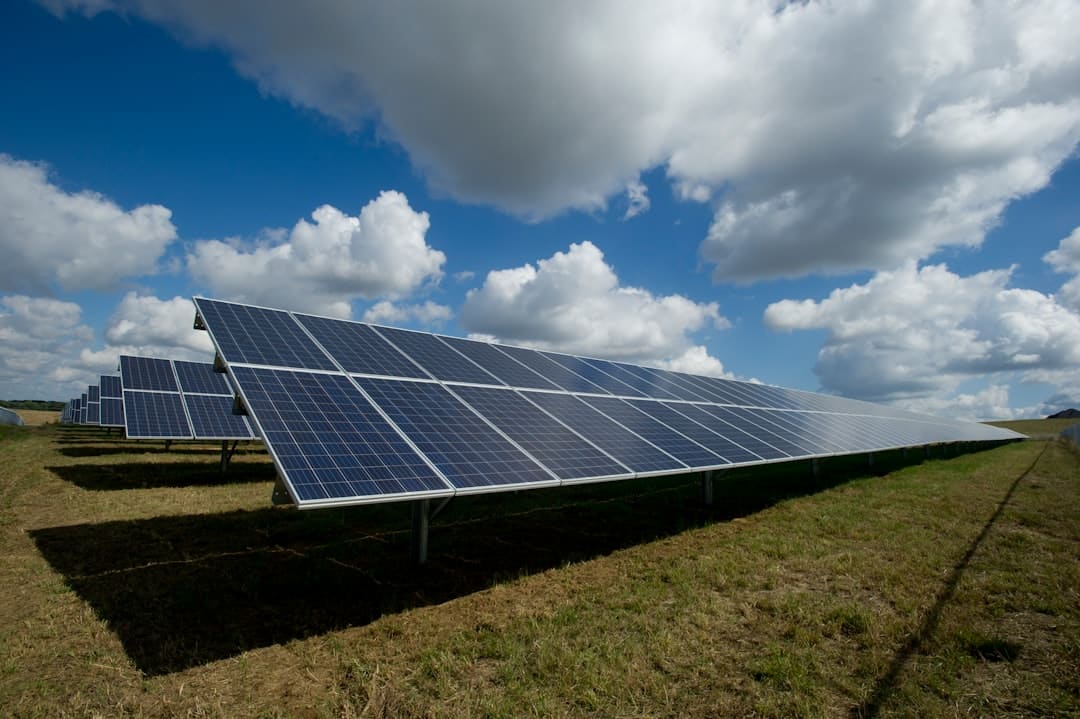
In a historic move for South Africa’s renewable energy sector, NOA Group’s recent R3.5 billion financial close on a 349 MW solar PV portfolio is paving the way for a new era of sustainable energy investments. This groundbreaking achievement, backed by Standard Bank and Norwegian institutions, demonstrates the potential for bankable projects beyond traditional state tenders, signalling a transformative opportunity for commercial and industrial stakeholders. The success of this utility-scale solar initiative underscores the viability of innovative financing structures, like power purchase agreements and risk-sharing models, to attract investment in an uncertain policy environment. As the energy transition accelerates, this milestone sets a precedent for energy trading and project finance, offering a blueprint for others aiming to harness the power of renewable energy in South Africa. Join us as we delve into how this landmark deal can influence your own energy strategy and what it means for the future of sustainable energy initiatives across the continent.
Understanding the NOA Milestone
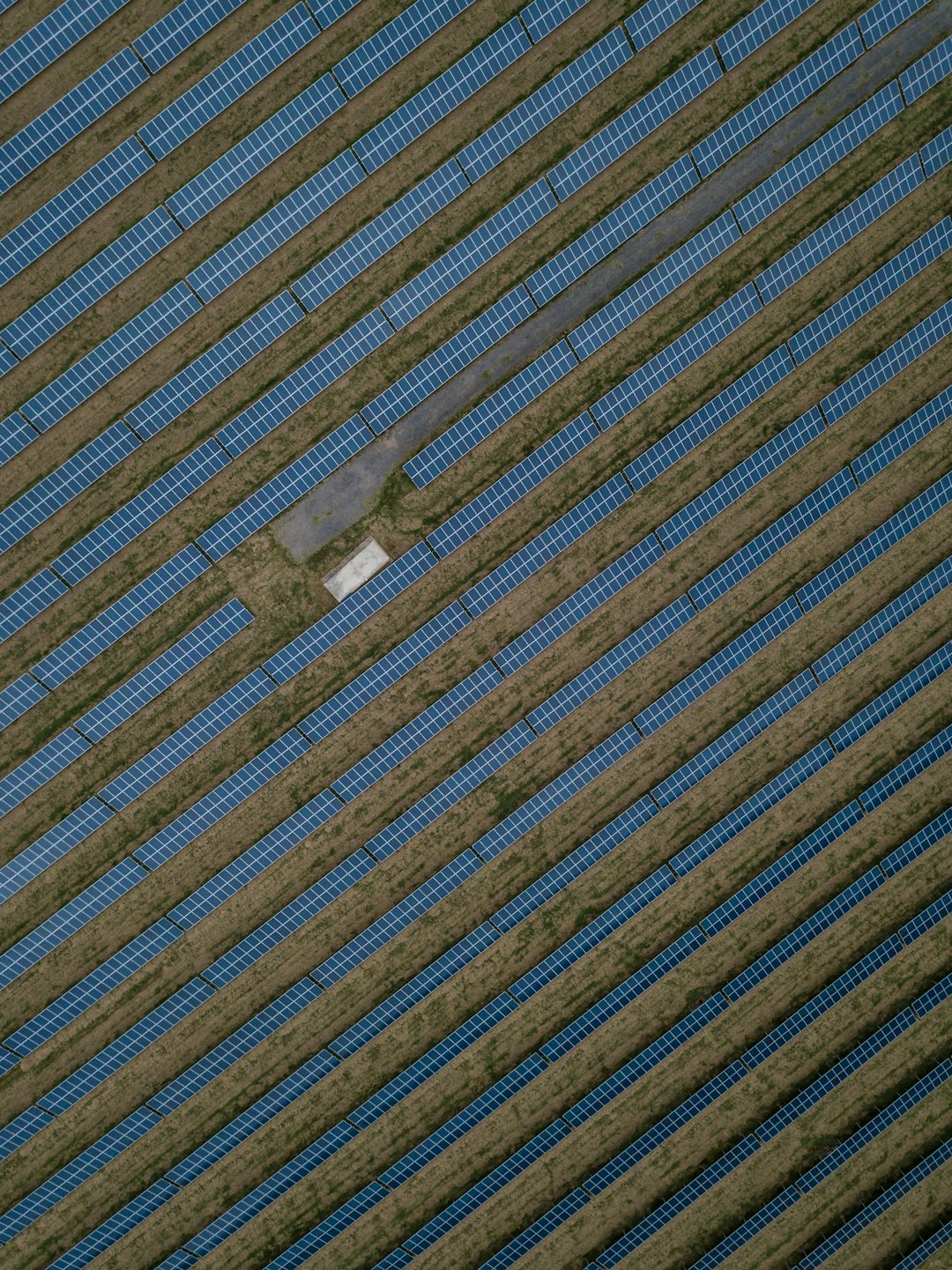
The NOA Group’s achievement marks a significant turning point in South Africa’s renewable energy landscape. This section explores the innovative financing strategies employed and their broader implications for the solar sector.
Groundbreaking Financing Strategies
The NOA Group’s R3.5 billion financial close on a 349 MW solar PV portfolio represents a paradigm shift in renewable energy financing. This deal introduces a novel approach to project finance in the sector.
At its core, the financing structure revolves around a R3.5 billion guarantee facility that significantly reduces lender exposure. This innovative approach combines bank guarantees with institutional backing, creating a more secure investment environment.
The deal also showcases a structured risk-sharing model between Norwegian government institutions (Norfund) and Standard Bank, South Africa’s largest private bank. This collaboration demonstrates the potential for international partnerships in driving sustainable energy investments.
Furthermore, the portfolio-level structuring allows for aggregation of risk, making the project more attractive to investors. This approach, coupled with a long-term offtake model, provides the cash flow certainty that financiers seek in renewable energy projects.
Implications for South Africa’s Solar Sector
The success of NOA’s financing deal has far-reaching implications for South Africa’s solar sector. It demonstrates that bankable solar projects are not limited to state tenders or SOE-supported pipelines.
This milestone opens up new possibilities for commercial and industrial (C&I) stakeholders. It shows that with the right structuring, private sector projects can attract significant investment, even in an uncertain policy environment.
The deal also sets a precedent for future utility-scale solar projects in the country. It provides a blueprint for de-risking renewable energy investments, potentially accelerating the adoption of solar power across various sectors.
Moreover, this achievement could catalyze a shift in how financial institutions approach renewable energy projects. It may encourage more banks and investors to consider innovative financing structures for sustainable energy initiatives.
Lessons for the C&I Sector
The NOA milestone offers valuable insights for the commercial and industrial sector. This section explores how C&I players can leverage these lessons to advance their own sustainable energy projects.
Building Bankability from the Start
The NOA deal underscores the importance of building bankability into projects from the outset. This approach is crucial for C&I sector players looking to develop successful solar initiatives.
Bankability in solar projects goes beyond technical specifications. It involves creating a comprehensive package that addresses financial, legal, and operational aspects. This holistic approach makes projects more attractive to potential investors and lenders.
Key steps in building bankability include:
- Early engagement with financiers to shape the project structure
- Comprehensive risk assessment and mitigation strategies
- Developing robust financial models that demonstrate long-term viability
- Ensuring compliance with regulatory requirements and industry standards
By focusing on these elements from the start, C&I projects can significantly improve their chances of securing financing and achieving successful implementation.
The Future of Aggregated Portfolios
The NOA deal highlights the potential of aggregated portfolios in the C&I solar sector. This approach can unlock new financing opportunities for projects that might be too small for traditional project finance.
Aggregating multiple smaller projects into a single portfolio offers several advantages:
- Risk Diversification: Spreading risk across multiple sites can make the overall investment more attractive to lenders.
- Economies of Scale: Larger portfolios can benefit from reduced costs in procurement, installation, and maintenance.
- Increased Bankability: Aggregated portfolios may qualify for financing structures that individual projects cannot access.
For C&I players, this could mean exploring opportunities to combine rooftop solar installations across multiple facilities or partnering with other businesses to create larger, more financeable portfolios.
The future may see the rise of solar-as-a-service models in the C&I sector, where providers aggregate multiple customers’ projects under a single financing structure.
Navigating Challenges and Opportunities
While the NOA milestone presents exciting possibilities, the renewable energy landscape in South Africa still faces challenges. This section explores how to navigate these hurdles and capitalize on emerging opportunities.
Overcoming Policy Uncertainty
Policy uncertainty remains a significant challenge in South Africa’s renewable energy sector. However, the NOA deal demonstrates that it’s possible to structure bankable projects even in this environment.
Key strategies for overcoming policy uncertainty include:
- Developing flexible project structures that can adapt to regulatory changes
- Engaging with policymakers to advocate for stable and supportive renewable energy policies
- Incorporating risk mitigation measures in project design and financing structures
- Exploring innovative business models that reduce reliance on government support
By adopting these approaches, C&I players can increase their projects’ resilience to policy fluctuations and improve their chances of success.
It’s also crucial to stay informed about policy developments and their potential impacts on renewable energy projects. This knowledge can inform strategic decisions and help businesses position themselves advantageously in the evolving energy landscape.
The Urgency of Acting Now
The success of the NOA deal underscores the importance of acting swiftly in the renewable energy space. The window of opportunity for favorable financing and market conditions may not remain open indefinitely.
Several factors contribute to the urgency:
- Evolving Policy Landscape: Future changes in energy policies could impact project viability.
- Increasing Competition: As more players enter the market, securing attractive financing terms may become more challenging.
- Technological Advancements: Early movers can benefit from current technologies before newer, potentially more expensive innovations emerge.
For C&I sector players, this means prioritizing renewable energy initiatives in their strategic planning. It involves assessing energy needs, exploring financing options, and initiating project development processes without delay.
Acting now also allows businesses to position themselves as leaders in sustainability, potentially gaining competitive advantages in an increasingly environmentally conscious market.
Partnering for Solar Success: Your Next Steps
The recent achievements in South Africa’s renewable energy sector, exemplified by the NOA Group’s innovative financing strategies, illustrate the transformative potential for commercial and industrial stakeholders. As you consider your own energy strategies, it’s essential to be informed and proactive.
For those in the C&I sector seeking to capitalize on the opportunities in sustainable energy, it’s crucial to explore the full spectrum of financing options and project implementation strategies. Our articles, Unlocking Solar Energy: Exploring the Top Commercial Solar Financing Options in South Africa and Maximising Solar Cost Savings: A Facilities Manager’s Guide to Commercial and Industrial Solar ROI in South Africa, provide detailed insights into these aspects.
Take Action Today
At Hammer and Anvil Energy, we are committed to supporting businesses in their transition to renewable energy solutions. We offer expert guidance and resources tailored to your specific needs, ensuring that your solar projects are not only feasible but also financially rewarding.
Ready to make the leap to sustainable energy? Contact Hammer and Anvil Energy today to explore how we can assist in driving your solar initiatives forward. Our team is here to partner with you at every step, from planning and financing to implementation and beyond. Let’s work together to create a sustainable future for your business and the environment.
Visualizing Success: A Gallery of Sustainable Progress
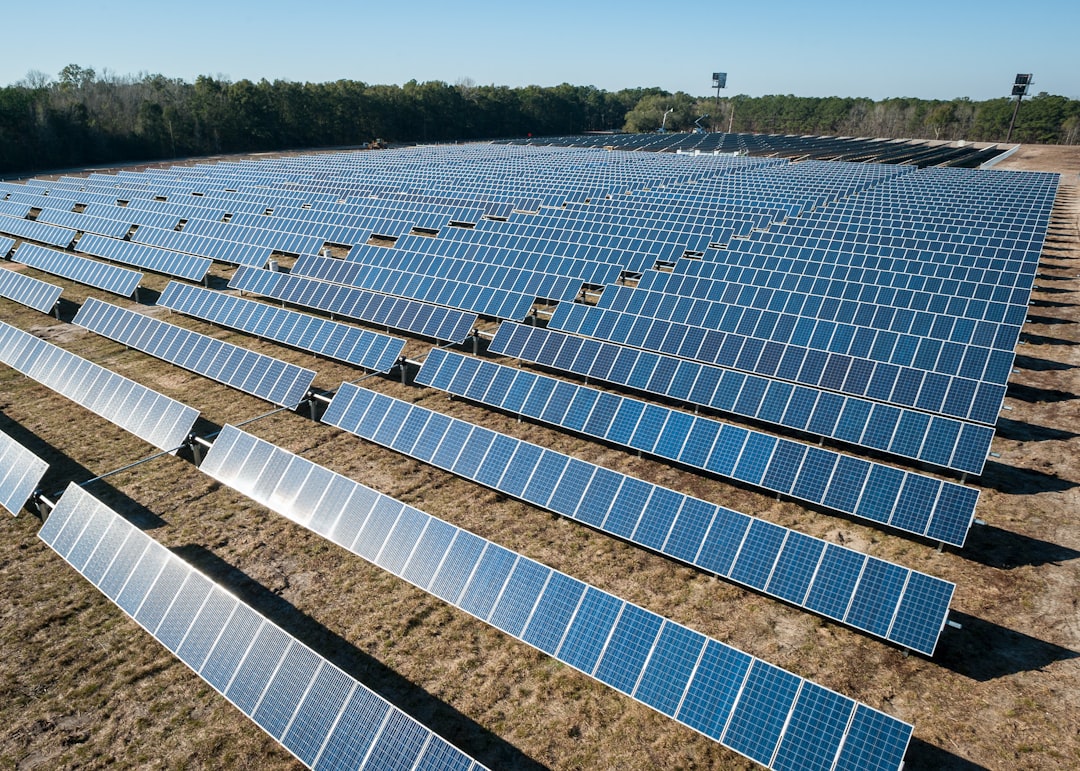
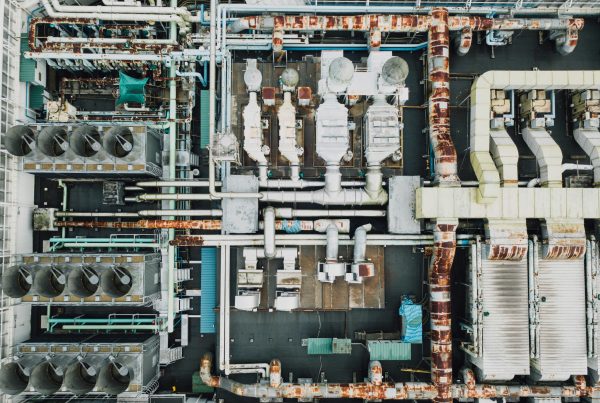
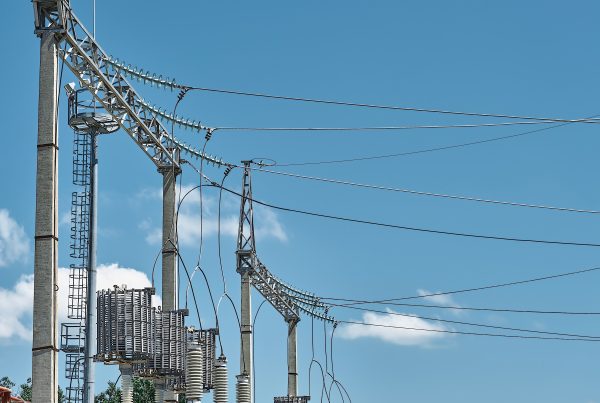
To complement the insights shared above, let’s take a visual journey through some key aspects of NOA Group’s 349 MW solar PV portfolio and the broader impact on South Africa’s renewable energy landscape: