
In a world increasingly driven by renewable energy, utility scale storage has emerged as a game-changer for the energy sector, providing a reliable and efficient means to harness the full potential of intermittent energy sources like solar PV. Battery energy storage systems (BESS) are at the forefront, offering innovative solutions to balance energy supply and demand, stabilise grids, and enhance the integration of renewable energy. Through global case studies, from the sun-drenched plains of South Africa to bustling urban centres worldwide, we will delve into the transformative impact of BESS and the process of scaling these systems from technical design to regulatory compliance. This article aims to equip renewable energy project developers, independent power producers (IPPs), and technical managers with the knowledge and insights needed to explore and implement BESS effectively. Join us as we unlock the power of utility scale storage and discover how our engineering advisory and design services can support your journey into the future of energy storage solutions. For more information on utility-scale battery energy storage systems, you can refer to this comprehensive research publication.
The Basics of Utility Scale Storage
Utility scale storage is revolutionising the energy sector, offering solutions to the challenges of intermittent renewable energy sources. This section explores the fundamentals of Battery Energy Storage Systems (BESS), their advantages, and global case studies demonstrating their impact.
Understanding Battery Energy Storage Systems
Battery Energy Storage Systems (BESS) are large-scale energy storage facilities that use advanced battery technology to store and distribute electricity. These systems play a crucial role in modern power grids, especially those with high renewable energy penetration.
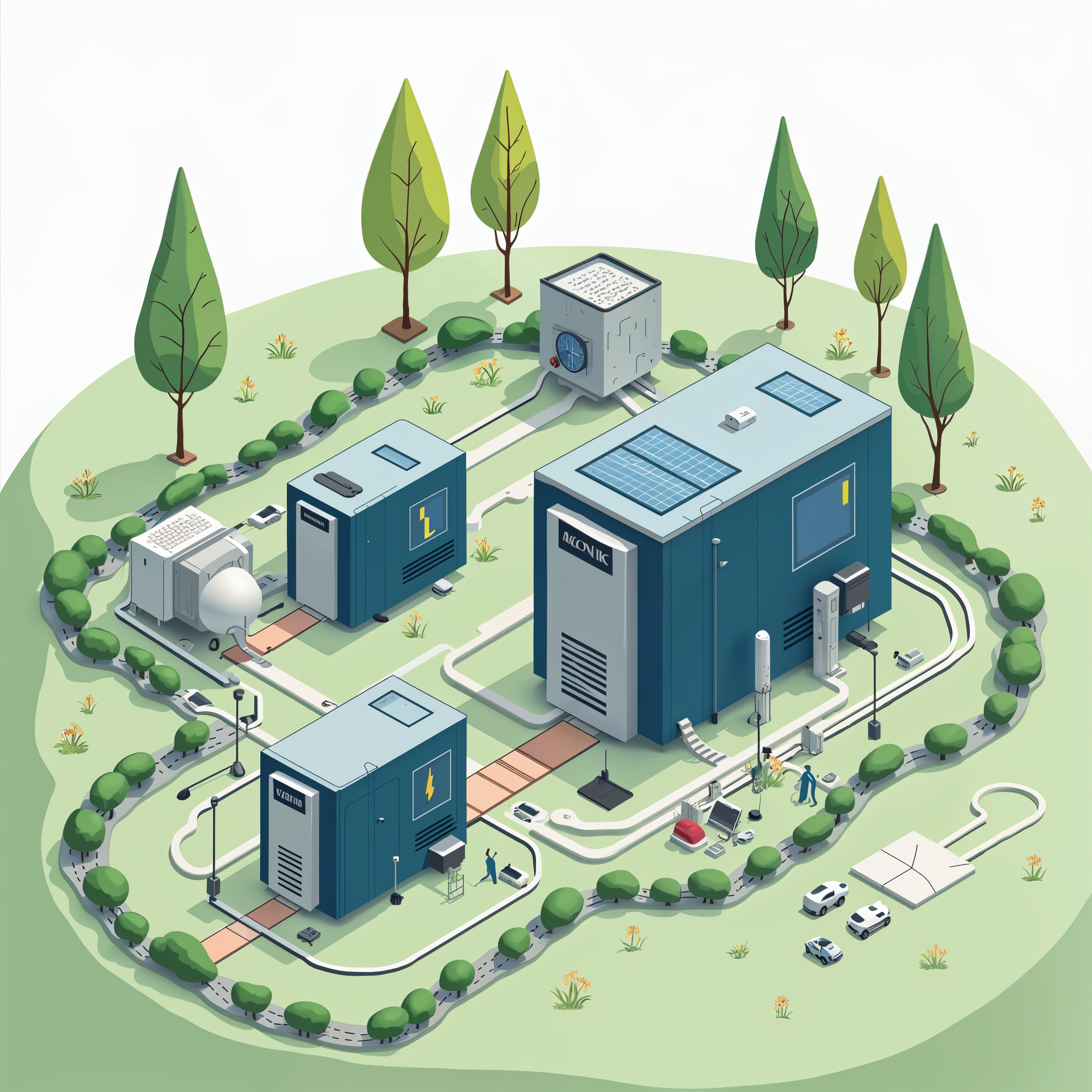
BESS typically consists of multiple battery modules, power conversion systems, and sophisticated control mechanisms. They can store excess energy during periods of low demand or high renewable generation and release it when needed, effectively balancing supply and demand.
The most common type of battery used in utility-scale BESS is lithium-ion, known for its high energy density and efficiency. However, other technologies like flow batteries and sodium-sulfur batteries are also emerging in the market.
Key Advantages of BESS
BESS offers numerous benefits to power systems and utilities, making it an essential component of the modern energy landscape. Here are some key advantages:
- Grid Stability: BESS can respond rapidly to fluctuations in power supply and demand, helping to maintain grid frequency and voltage stability.
- Renewable Integration: By storing excess renewable energy and releasing it during peak demand, BESS enables higher penetration of intermittent sources like solar and wind.
- Peak Shaving: BESS can reduce strain on the grid during high-demand periods by discharging stored energy, potentially avoiding the need for expensive peaker plants.
- Ancillary Services: These systems can provide valuable grid services such as frequency regulation and spinning reserves, enhancing overall system reliability.
- Deferral of Infrastructure Upgrades: By managing local demand peaks, BESS can delay or avoid costly transmission and distribution infrastructure upgrades.
Global Case Studies in Action
Real-world implementations of BESS demonstrate its transformative potential across various contexts. Let’s examine some notable case studies:
South Africa: We have made significant strides in integrating BESS into our power system, with dedicated tenders for utility-scale batteries to improve grid stability and renewable integration being launched.
Australia: The Hornsdale Power Reserve, also known as the “Tesla Big Battery,” has shown remarkable success in stabilising the grid and reducing costs.
- Capacity: 150 MW / 194 MWh
- Key Impact: Saved consumers over $150 million in its first two years of operation
- Function: Provides grid stability services and stores excess wind energy
United States: The Moss Landing Energy Storage Facility in California is one of the world’s largest BESS installations.
- Capacity: 400 MW / 1,600 MWh
- Purpose: Support California’s renewable energy goals and grid reliability
- Notable Feature: Repurposed infrastructure from a former gas power plant
These case studies highlight the versatility and effectiveness of BESS in addressing diverse energy challenges across different geographical and regulatory landscapes.
Implementing BESS at Scale
Scaling up Battery Energy Storage Systems requires careful planning, from technical design to regulatory compliance. This section outlines the key processes involved, provides examples of global and local implementations, and discusses common challenges in BESS deployment.
Technical and Compliance Processes
Implementing BESS at scale involves a series of technical and compliance processes. Here’s an overview of the key steps:
- Site Assessment and Feasibility Study: Evaluate potential locations, considering factors like grid connection, land availability, and environmental impact.
- System Design: Develop a detailed technical design, including battery selection, power conversion systems, and control architecture.
- Grid Integration Planning: Work with grid operators to ensure seamless integration, addressing issues like interconnection requirements and grid codes.
- Environmental and Safety Compliance: Conduct environmental impact assessments and ensure adherence to safety standards, including fire safety and hazardous material handling.
- Regulatory Approvals: Navigate the regulatory landscape, obtaining necessary permits and licenses from relevant authorities.
Throughout these processes, it’s crucial to engage with stakeholders, including local communities, grid operators, and regulatory bodies, to ensure smooth project development and implementation.
Global and Local Implementation Examples
BESS implementations vary widely across different regions, reflecting diverse energy needs and regulatory environments. Let’s explore some examples:
Global: United Kingdom
- The UK has seen rapid growth in grid-scale battery storage, with over 1.3 GW operational capacity as of 2021.
- Key drivers: Frequency response markets, capacity market, and balancing services.
Local: South Africa
- South Africa is making significant strides in BESS deployment, as outlined in the Energy Storage SA Policy Study.
- Focus areas: Grid stability, renewable integration, and energy access in remote areas.
- Notable project: Eskom’s 360 MW BESS project, aimed at addressing power supply challenges.
These examples demonstrate how BESS can be tailored to meet specific regional needs while contributing to broader energy transition goals.
Navigating Challenges in BESS Deployment
Deploying BESS at scale comes with its share of challenges. Understanding and addressing these issues is crucial for successful implementation:
Technical Challenges:
- Battery degradation and lifecycle management
- Integration with existing grid infrastructure
- Ensuring system reliability and performance
Economic Challenges:
- High upfront costs
- Developing viable business models
- Navigating evolving market structures and regulations
Regulatory Challenges:
- Keeping pace with rapidly evolving technology
- Developing appropriate safety and environmental standards
- Ensuring fair market access for storage resources
To overcome these challenges, collaboration between industry stakeholders, policymakers, and researchers is essential. Continuous innovation in technology, business models, and regulatory frameworks will drive the successful scaling of BESS deployments.
Supporting BESS Adoption
As highlighted in a recent research publication, BESS is playing an increasingly critical role in photovoltaic applications in South Africa, further underscoring the importance of expert guidance in this field. This section focuses on guiding renewable energy project developers, empowering Independent Power Producers (IPPs), and highlighting our expert consultation services.
Guiding Renewable Energy Project Developers
Renewable energy project developers play a vital role in the transition to a sustainable energy future. Here’s how we support them in integrating BESS:
- Feasibility Studies: We conduct comprehensive assessments to determine the optimal BESS solution for specific project needs.
- Technology Selection: Our experts guide developers through the process of choosing the most suitable battery technology and system configuration.
- Grid Integration Planning: We assist in designing BESS that complements existing renewable assets and meets grid requirements.
- Financial Modeling: Our team helps developers understand the economic implications of BESS, including potential revenue streams and return on investment.
By providing this support, we enable developers to maximize the value of their renewable energy projects through effective energy storage integration.
Empowering Independent Power Producers (IPPs)
Independent Power Producers (IPPs) are key players in the evolving energy landscape. We empower IPPs to leverage BESS effectively:
Market Opportunity Analysis: We help IPPs identify and capitalise on new revenue streams enabled by BESS, such as ancillary services and energy arbitrage.
Regulatory Navigation: Our team keeps IPPs informed about the latest regulatory developments and helps them comply with evolving standards.
Performance Optimisation: We provide ongoing support to ensure BESS operates at peak efficiency, maximising returns for IPPs.
By partnering with IPPs, we contribute to a more diverse and resilient energy ecosystem. As highlighted in the GreenCape Market Intelligence Report, the integration of BESS is becoming increasingly important for large-scale renewable energy projects in markets like South Africa.
Offering Expert Consultation Services
Our expert consultation services are designed to address the unique challenges of BESS implementation:
- Technical Design and Engineering: We provide end-to-end technical support, from initial concept to detailed system design.
- Project Management: Our experienced team guides clients through every stage of BESS deployment, ensuring smooth execution.
- Performance Analysis and Optimization: We offer ongoing monitoring and optimisation services to maximise system performance and longevity.
- Training and Capacity Building: We conduct workshops and training sessions to build in-house expertise for our clients.
“Our goal is to empower our clients with the knowledge and tools they need to succeed in the rapidly evolving energy storage landscape,” says our CTO.
For those interested in exploring BESS solutions, we invite you to reach out for a free consultation. Our team of experts is ready to help you navigate the complexities of utility-scale storage and unlock its full potential for your energy projects.
Ready to explore BESS?
Let’s talk: energy@hammerandanvil.co.za
Visit: energy.hammerandanvil.co.za